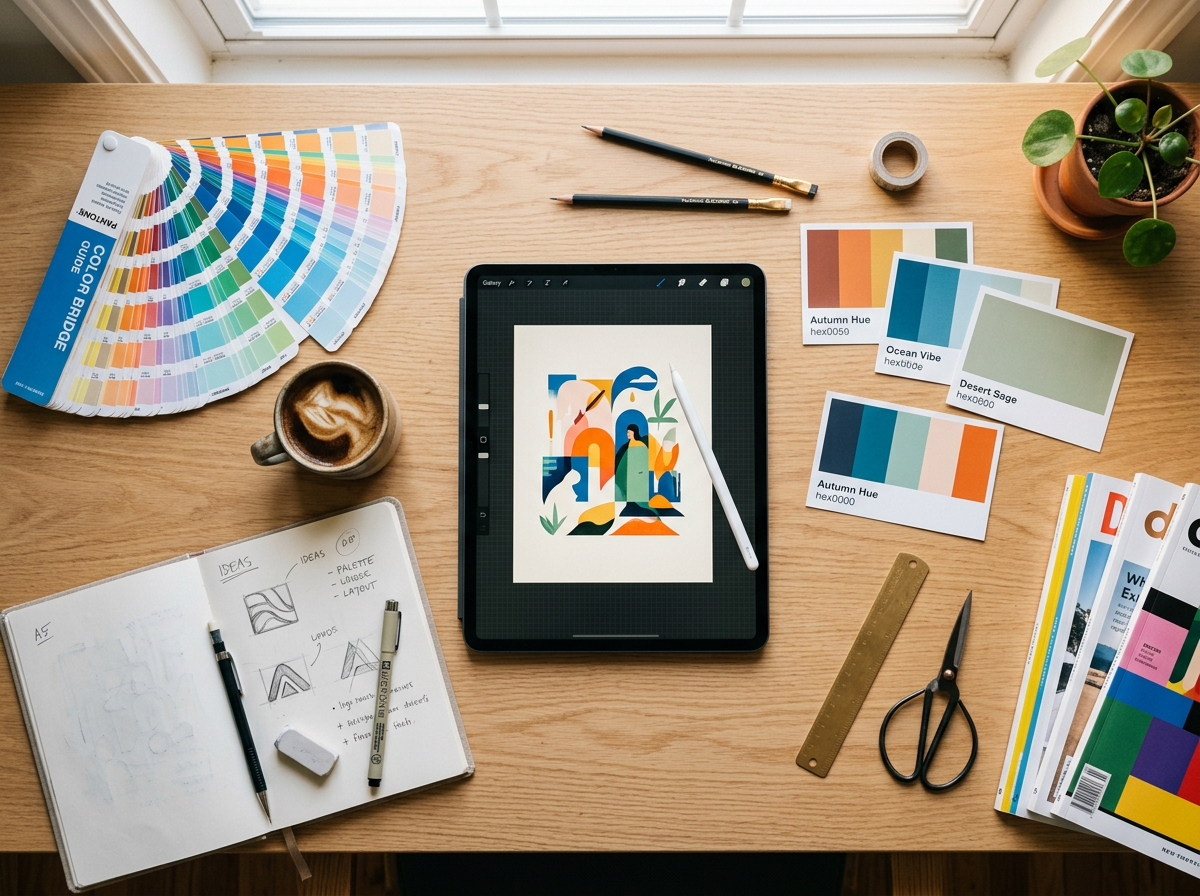
In a world overflowing with information and visual noise, minimalist design stands as a beacon of clarity. The philosophy of "less is more" isn't about removing elements until nothing remains — it's about distilling a design down to its essential components, where every element serves a clear purpose.
What Makes Minimalist Design Effective?
Minimalist design works because it respects the user's attention. By reducing visual clutter, we create space for the content that truly matters. Here are the key principles:
- Whitespace is your friend — Generous spacing between elements creates breathing room and improves readability.
- Limited color palette — Using 2-3 colors systematically creates cohesion and visual harmony.
- Typography hierarchy — Clear font size and weight distinctions guide the eye naturally.
- Purposeful imagery — Every image should communicate something meaningful.
The Psychology Behind Simplicity
Research shows that users form opinions about a website within 50 milliseconds. In that split second, a clean, well-organized layout communicates professionalism and trustworthiness far more effectively than a busy, cluttered one.
"Perfection is achieved not when there is nothing more to add, but when there is nothing left to take away." — Antoine de Saint-Exupery
Implementing Minimalism in Your Projects
Start by auditing your current design. Ask yourself these questions for every element on the page:
- Does this element serve a clear purpose?
- Would removing it harm the user experience?
- Can it be simplified without losing meaning?
The answers will guide you toward a cleaner, more effective design. Remember, minimalism isn't a restriction — it's a framework for making intentional design decisions that put the user's needs first.
Tools for Minimalist Design
Whether you're working in Figma, Sketch, or directly in code, the principles remain the same. Focus on establishing a strong design system with consistent spacing, a limited but purposeful color palette, and typography that creates clear hierarchy.
The beauty of minimalist design lies in its timelessness. While trends come and go, clean and purposeful design never goes out of style.